Source Wooden Medium Back Child Sofa for Home, School, and Nursery
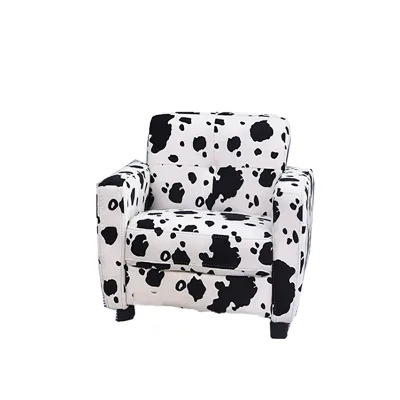
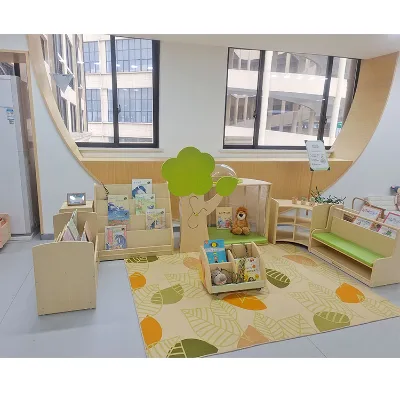
Explore 25 listings for a wooden medium back child sofa suitable for home, school, and nursery settings. Buyers can compare specifications, materials, and prices to find the right fit for their needs.
Key considerations
Products List


Comprehensive Sourcing Guide
Wooden Medium Back Child Sofa Sourcing Guide
Sourcing wooden medium back child sofas requires a careful balance between aesthetic appeal, structural durability, and strict adherence to child safety standards. These pieces are distinct from adult furniture due to their scaled dimensions, rounded edges, and specific material choices designed to withstand the rigors of early childhood environments. Buyers must navigate a market that offers significant variation in construction quality, upholstery materials, and customization options. This guide provides a structured approach to evaluating suppliers, verifying technical specifications, and ensuring that the final product meets both functional requirements and regulatory compliance for educational or residential use.
The procurement process for this category is heavily influenced by the supplier’s manufacturing capabilities and their ability to handle custom orders. Many manufacturers in key production hubs offer OEM and ODM services, allowing buyers to tailor dimensions, colors, and materials to specific brand identities or interior design schemes. However, this flexibility introduces complexity in quality control and lead time management. Buyers must establish clear communication channels early in the sourcing process to define exact specifications, approve samples, and agree on inspection protocols before mass production begins.
Product Scope and Observed Listing Signals
The current market landscape for wooden medium back child sofas reveals a diverse range of product configurations, with observed price points varying significantly based on material quality and design complexity. Listings indicate a price range that spans from entry-level options to premium custom pieces, reflecting differences in frame construction, upholstery type, and finishing details. Buyers should note that the presence of "used" items in some listings suggests a secondary market or refurbished inventory, which requires separate due diligence regarding wear and tear, structural integrity, and hygiene standards compared to new manufacturing.
Observed minimum order quantities (MOQs) typically range from single units for sample testing to larger batches for bulk procurement, with some suppliers setting thresholds that may impact small-scale buyers. The variety of materials observed includes genuine leather, synthetic leather, PU, and fabric, each offering different benefits in terms of durability, maintenance, and cost. Additionally, the presence of both "with armrest" and "without armrest" configurations, as well as inflatable and non-inflatable options, indicates that buyers must clearly define their functional requirements to avoid misalignment with supplier offerings.
Technical Specifications to Verify
Frame construction is the primary determinant of the sofa’s longevity and safety, with wood being a common material choice for its stability and aesthetic warmth. Buyers must verify the type of wood used, the joinery methods employed, and the finish applied to ensure resistance to splintering and chipping. The medium back height is a specific ergonomic feature designed to support a child’s posture without overwhelming the space, and this dimension must be confirmed against standard anthropometric data for the target age group. Additionally, the padding material, often sponge-based, should be evaluated for density and resilience to prevent premature sagging.
Upholstery selection plays a critical role in the product’s maintenance and lifespan, with options ranging from washable to non-washable fabrics. Buyers should assess the breathability, stain resistance, and tear strength of the chosen material, particularly if the sofa is intended for high-traffic environments like kindergartens or nurseries. The presence of armrests adds to the structural complexity and comfort, requiring verification of their attachment method and edge rounding. Furthermore, the overall size and model number, such as SF-84C or SF-73C, should be cross-referenced with supplier catalogs to ensure consistency in dimensions and component availability.
Compliance and Safety Documentation
Child furniture is subject to rigorous safety regulations to prevent injuries from sharp edges, small parts, or toxic materials. Buyers must request comprehensive documentation regarding hazardous substance testing, ensuring that the wood finishes, adhesives, and upholstery materials comply with international standards for formaldehyde, heavy metals, and phthalates. Standards such as ISO RoHS and CE marking are often cited as indicators of compliance, but buyers should verify the specific test reports issued by accredited laboratories to confirm that the products have been independently validated.
Fire retardancy is another critical safety aspect, particularly for furniture used in public or semi-public spaces. Suppliers may claim compliance with various fire safety standards, and buyers must request detailed test certificates to verify these claims. The absence of specific fire retardant standards in some listings necessitates proactive inquiry to ensure that the materials used meet local regulatory requirements. Additionally, structural stability tests should be conducted to ensure that the sofa can withstand the dynamic loads typical of children’s play, preventing tipping or collapse.
Cost Drivers and Commercial Terms
The total cost of procurement is influenced by several factors, including the choice of materials, the level of customization, and the complexity of the design. Genuine leather and high-density sponge padding typically command higher prices compared to synthetic alternatives, while custom dimensions or unique color schemes may incur additional tooling or setup fees. Buyers should also consider the impact of packaging methods, such as fabric and carton packing or standard export carton packing, on shipping costs and potential damage during transit.
Commercial terms, including lead times and warranty periods, are essential components of the procurement agreement. Observed delivery times of around 15 days suggest a relatively quick turnaround for standard items, but custom orders may require longer production windows. A warranty period of five years is a significant indicator of manufacturer confidence in product durability, but buyers must clarify the terms and conditions, including coverage for manufacturing defects versus wear and tear. Payment terms and MOQs should be negotiated to align with the buyer’s cash flow and inventory management strategies.
Supplier Qualification and Quality Control
Supplier qualification is a critical step in mitigating procurement risks, requiring a thorough assessment of the manufacturer’s production capabilities and quality management systems. Buyers should verify the supplier’s certification status, such as ISO9001, which indicates a standardized approach to quality control and process management. The supplier’s location, often in manufacturing hubs like Guangzhou, Guangdong, China, can provide insights into their supply chain efficiency and access to raw materials, but buyers must also assess their logistical capabilities and export experience.
Quality control measures should be established before production begins, including the approval of pre-production samples and the definition of acceptance criteria for finished goods. Buyers should consider implementing third-party inspections during production and before shipment to verify that the products meet the agreed-upon specifications. The supplier’s workmanship quality, described as excellent in some listings, should be validated through visual inspections of stitching, finishing, and assembly. Clear communication regarding defect rates and remediation processes is essential to ensure that any issues are addressed promptly and effectively.
Long-Term Procurement Checks
Long-term success in sourcing wooden medium back child sofas depends on establishing a robust relationship with suppliers and implementing continuous improvement processes. Buyers should regularly review supplier performance metrics, including on-time delivery rates, product quality consistency, and responsiveness to issues. This data-driven approach allows for informed decisions regarding contract renewals, volume adjustments, and supplier diversification. Maintaining open lines of communication and providing constructive feedback can help suppliers align their production processes with the buyer’s evolving needs.
As market trends and regulatory requirements evolve, buyers must stay informed about changes in safety standards, material regulations, and design preferences. Periodic audits of the supply chain and product testing can help identify potential risks before they impact the end-user. Additionally, buyers should consider the environmental impact of their procurement choices, exploring options for sustainable materials and eco-friendly manufacturing practices. By prioritizing long-term partnerships and continuous evaluation, buyers can ensure a steady supply of high-quality, safe, and compliant child sofas that meet the needs of their customers.
FAQs
What materials are used for the wooden medium back child sofa?
The sofas are constructed with wood frames and feature genuine leather or synthetic leather upholstery. Some models utilize fabric materials, while others use PU leather. All options include sponge padding for comfort and durability suitable for children.
Can I customize the design of the wooden medium back child sofa?
Yes, customization is available for these sofas with OEM and ODM services accepted. Buyers can request specific styles, including American or Chinese designs, and choose between medium back heights. The manufacturer supports custom orders to meet unique requirements.
What is the delivery time for the wooden medium back child sofa?
The standard delivery time is around 15 days for production and shipping. This timeline applies to orders placed with the manufacturer in Guangzhou, Guangdong. Buyers should confirm specific lead times based on order volume and customization needs before finalizing purchases.
Which certifications do the wooden medium back child sofa manufacturers hold?
Manufacturers hold ISO9001 standards and some products meet ISO RoHS CE SGS requirements. Additional standards like ISO14001 may apply to specific models. These certifications ensure quality management and compliance with safety regulations for children's furniture products.
How much is the minimum order quantity for the wooden medium back child sofa?
The minimum order quantity ranges from 1 to 256 units depending on the specific model and customization level. Buyers can find options starting at a single unit for standard models. Higher volumes may be required for fully customized designs or specific material selections.
What is the warranty period for the wooden medium back child sofa?
The warranty period is typically 5 years for the wooden medium back child sofa. This coverage applies to structural integrity and workmanship under normal use conditions. Buyers should verify specific warranty terms with the manufacturer to ensure full protection for their investment.
Where are the wooden medium back child sofa manufacturers located?
The manufacturers are located in Guangzhou, Guangdong, China. This region is a known hub for furniture production with established supply chains. Buyers can source directly from these factories to ensure authenticity and access to the full range of available models.